Define the reach and setback first
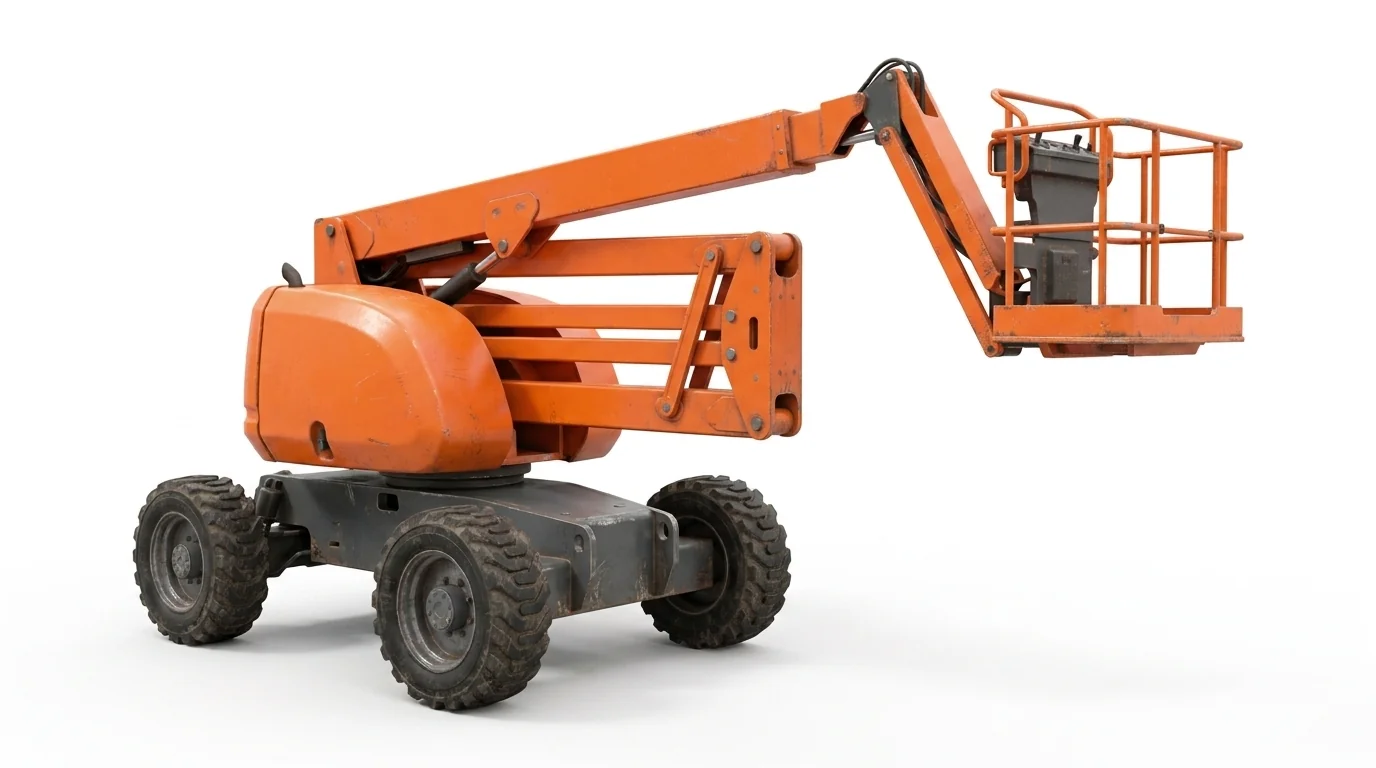
Measure the horizontal distance from the machine’s likely setup point to the work face, then the vertical height. Telescopic booms excel when the approach is clear and long, such as across parking, berms, or service aprons.
Key geometry points: - Horizontal reach at the height you need, not just at full extension. - Setback created by planters, fencing lines, ditches, or soft shoulders. - Required articulation: if obstacles block the path, consider an articulating boom instead at /articulating-boom-lift-rental/.
Gainesville conditions that influence selection
- Sandy, well-drained soils: Perimeter areas and construction pads may be uneven. Rough-terrain capability and wider tires help with stability on unpaved surfaces.
- Humid subtropical weather: Wet mornings and pop-up showers can change traction quickly. Exterior use should account for surface condition changes and wind exposure; always defer to site procedures and the unit’s guidance.
- Industrial development: Large exterior elevations on industrial sites and civic projects often need sustained reach along long walls or rooflines, where a straight boom’s envelope is efficient.
Spec considerations for straight booms
- Platform height and outreach curve: Confirm that the machine provides the needed side reach at working height.
- Chassis width and tailswing: Ensure the unit can navigate access roads, gate openings, and staging areas.
- Power source: Diesel suits continuous outdoor duty. Some sites near occupied buildings may prefer lower-noise options; check any local air-quality expectations for mixed-use areas.
When another lift fits better
- Up-and-over around canopies, piping, or trees calls for an articulating boom. See /articulating-boom-lift-rental/.
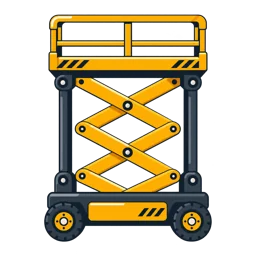
- Vertical work directly overhead on finished slabs can be simpler with an electric scissor. See /aerial-lift-rental/ for context and /electric-scissor-lift-rental/ for slab work.
- Material placement and pallet handling at elevation point to /telehandler-rental/.
Planning checklist
- Verify ground support from staging to work area: compacted base, curbs, slopes, and drainage swales.
- Note any access restrictions: low branches, overhead utilities, or gate widths.
- Map prevailing wind exposure along open façades and schedule work windows accordingly.
Related categories
- /boom-lift-rental/
- /rough-terrain-scissor-lift-rental/
- /temporary-fencing-barricades-rental/