Start with the job geometry
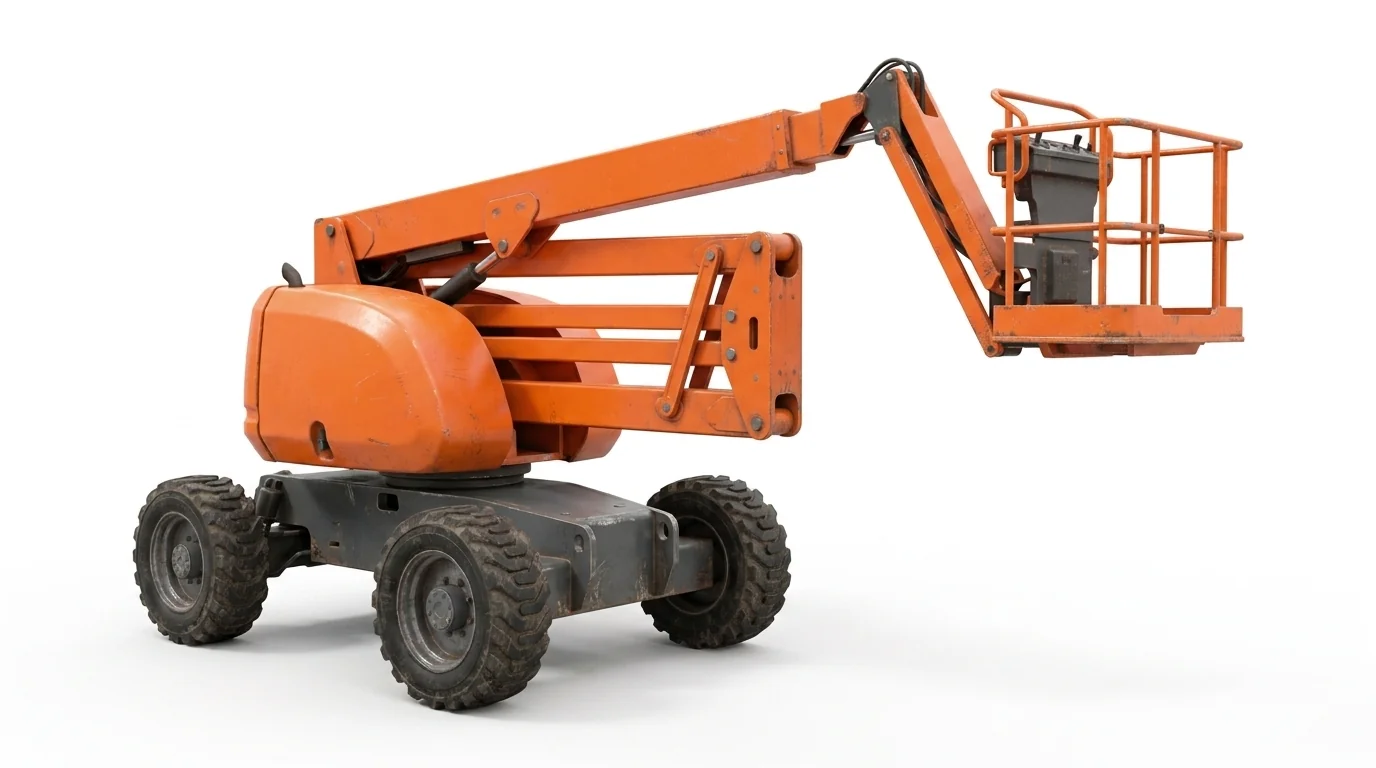
The key question is whether the machine can sit below the task. In crowded corridors, landscaped courtyards, or around roof parapets, straight-on access is rare. An articulating boom provides horizontal outreach with multiple joints to clear overhead pipes, overhangs, and signage.
Consider: - Required platform height versus horizontal reach to clear the obstacle. - Setback distance from façades or planters that prevents a straight approach. - Basket positioning needs around ductwork, lighting grids, or branch canopies.
Gainesville site factors that change the choice
- Regional climate: Afternoon storms and damp mornings make traction and ground conditions variable. For exterior work on unpaved lots or sandy shoulders, rough-terrain tires and greater ground clearance may be needed. For interior maintenance, non-marking tires protect finished floors and reduce tracking of grit.
- Mixed indoor/outdoor routes: Many facilities shift from slab floors to loading aprons. Measure doorway widths, slope transitions, and weight limits on mezzanines before selecting a unit.
- Rolling topography: Gentle grades around building perimeters may require a machine with better gradeability and stable footing when setting outriggers or leveling systems.
Narrowing specs for articulating booms
- Platform height and up-and-over clearance: Verify the highest work point and the obstruction height you must clear.
- Working envelope: Check side reach at the height you actually need, not just the maximum rating.
- Width and stowed length: Interior corridors, atriums, and service tunnels in Gainesville buildings often restrict turning radius and entry width.
- Power type: Electric or hybrid units reduce emissions and noise for sensitive interiors; diesel suits sustained outdoor exposure. For indoor healthcare or academic spaces, electric with non-marking tires is typically preferred.
When a different lift fits better
- Long, unobstructed exterior reach across parking or open yards favors a straight boom. See /telescopic-boom-lift-rental/.
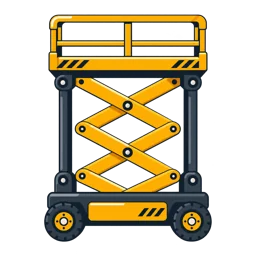
- All-day slab work with vertical lifts under clear ceilings may be simpler with an electric scissor. See /electric-scissor-lift-rental/ via /aerial-lift-rental/.
- Material placement at height with forward reach is a telehandler task. See /telehandler-rental/.
Planning checklist
- Confirm surface type along the entire travel path: slab, pavers, compacted base, or sand.
- Note entry constraints: door width/height, ramps, thresholds, and turning space.
- Identify sensitive finishes and air-quality requirements if the work is indoors.
Related categories
- /boom-lift-rental/
- /rough-terrain-scissor-lift-rental/
- /vertical-mast-lift-rental/