Start with the placement geometry
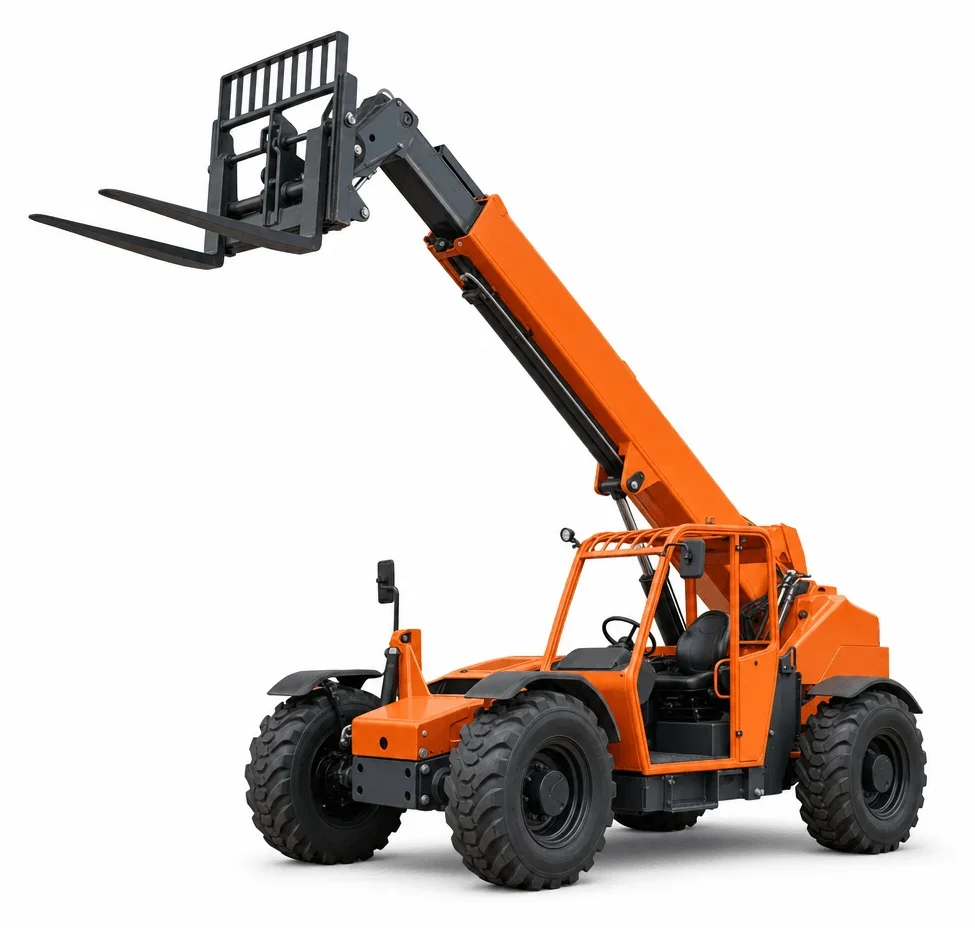
Three numbers narrow the choice: maximum load weight, required lift height, and forward reach to the landing point. The farther out you must place the load, the lower the allowable capacity at that position, so match the load chart to the actual landing distance.
Typical placements in the area include: - Roof and mezzanine drops from grade across setbacks or landscaping. - Material staging over perimeter fencing or temporary barriers. - Elevation to partially finished decks where slab access is limited.
Gainesville terrain and weather considerations
- Sandy, well-drained soils: Construction sites may include ruts, soft spots, and mild grades. Rough-terrain capability helps maintain stability and travel speed between laydown and set points.
- Humid conditions with frequent storms: Expect changing ground firmness and visibility. Exterior lifting must follow the unit’s instructions and site procedures regarding weather limits.
Spec details that affect productivity
- Boom class and load chart: Confirm rated capacity at the forward reach you will actually use.
- Carriage and fork dimensions: Ensure compatibility with local suppliers’ pallets and banded bundles.
- Machine width, turning radius, and height: Check access through gates, between stockpiles, and under overhead obstructions.
When another machine is a better fit
- Pure personnel access without heavy loads favors /boom-lift-rental/ options.
- Tight indoor stacking on smooth slabs often suits /forklift-rental/.
- Vertical indoor maintenance with minimal floor impact may point to /vertical-mast-lift-rental/.
Planning checklist
- Measure travel paths from delivery point to laydown and from laydown to set point.
- Note any slopes, curbs, and transitions that affect approach angles.
- Confirm receiving areas for deliveries during wet periods common to the regional climate.
Related categories
- /storage-containers-rental/
- /temporary-fencing-barricades-rental/
- /generators-light-towers-rental/