Decide by obstacle type and required reach
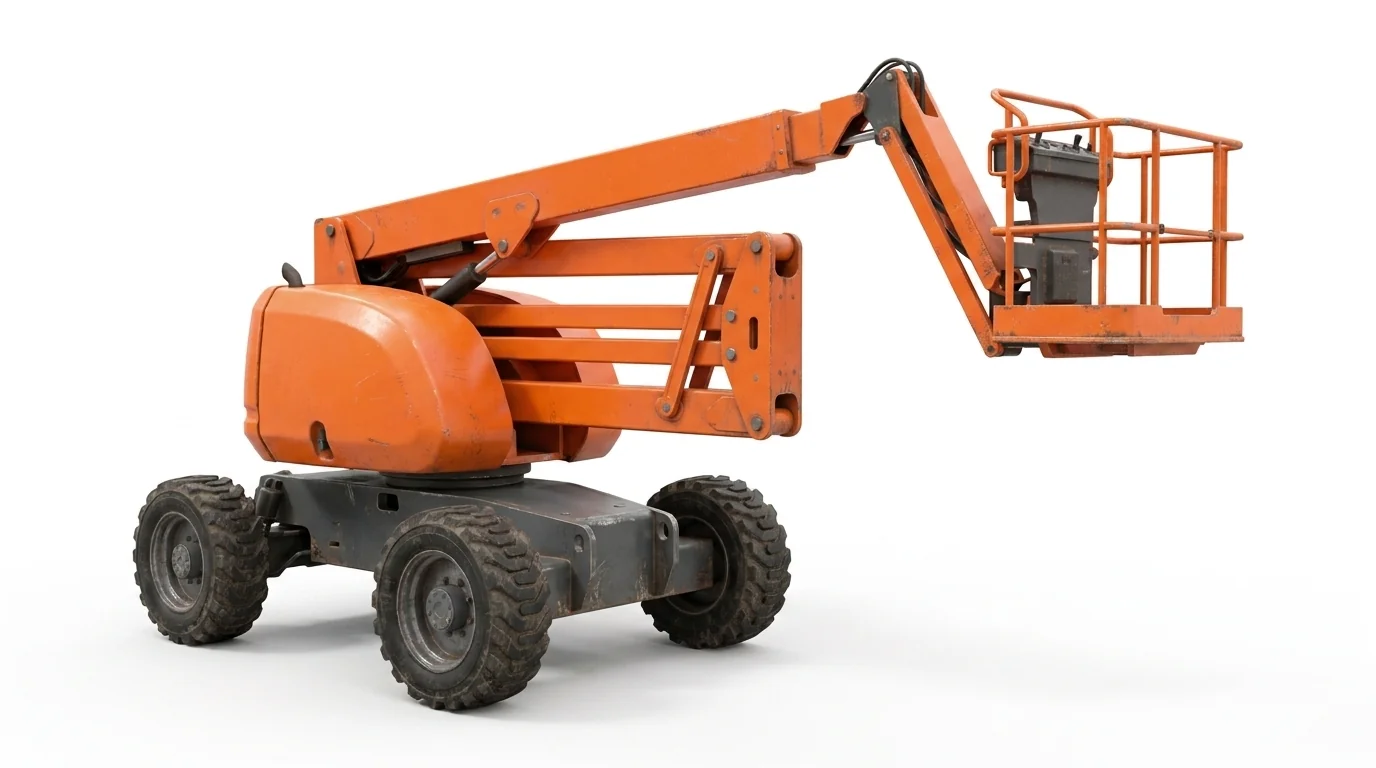
- Up-and-over access around pipes, canopies, or mezzanines points to articulating booms with multiple pivot points.
- Long, straight outreach to a facade or sign from a clear staging area favors telescopic models.
- Verify working height and horizontal reach together to ensure the platform can land at the task with tool clearance.
Gainesville factors for boom selection
Frequent afternoon rain affects footing and traction outdoors, while interior segments prioritize low on-site emissions and non-marking tires. Sandy, well-drained soils can feel stable dry and looser after storms, which may influence where a boom can stage and rotate.
Narrow by footprint, weight, and surface
- Footprint and tail swing determine whether a boom can set up within setbacks or along busy drives.
- Machine weight and wheel load matter for interior slab ratings and approaches across finished floors.
- Tire type and ground clearance influence performance on unpaved, gently rolling sites.
When a scissor lift is enough
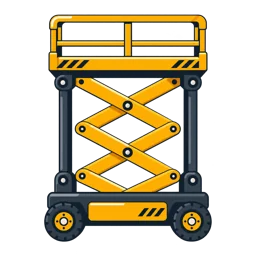
If the platform can sit below the task without obstacles, a scissor may simplify the plan: use /electric-scissor-lift-rental/ for finished interiors or /rough-terrain-scissor-lift-rental/ for uneven exterior grades.
For an overview of all categories, see /aerial-lift-rental/.
Keep the comparison specific
A useful equipment discussion starts with the work height, the practical machine position, the route into the area, the floor or ground along that route, and the people, tools, or material involved. Those details clarify whether vertical access, outreach, or material placement is the real constraint.